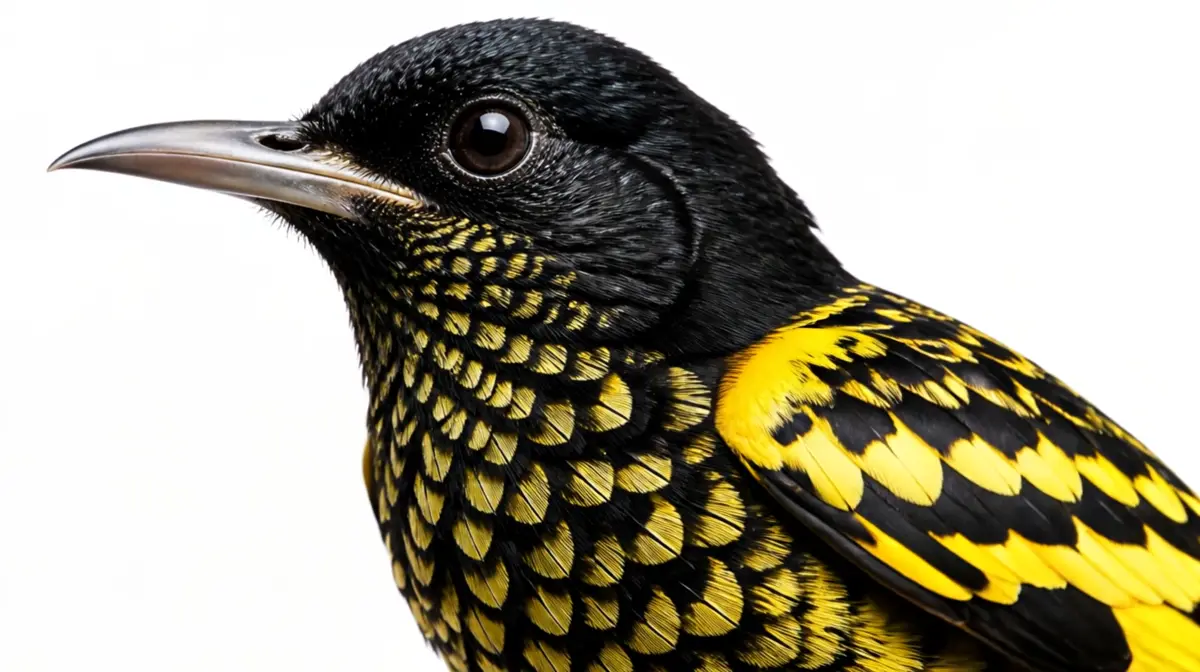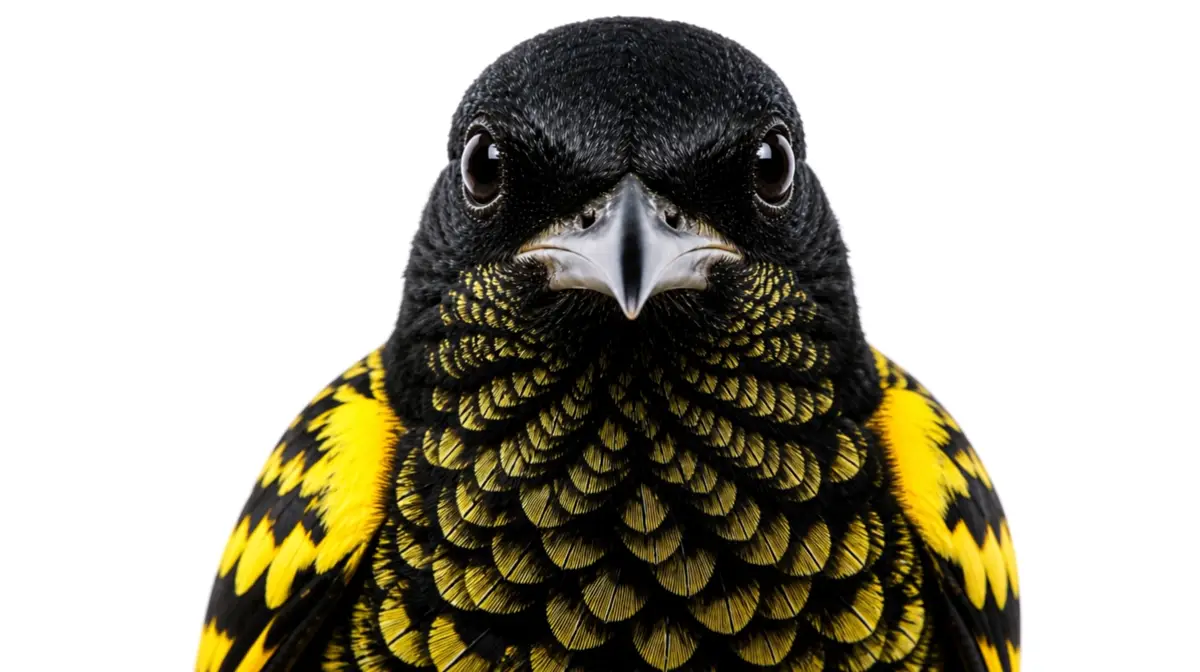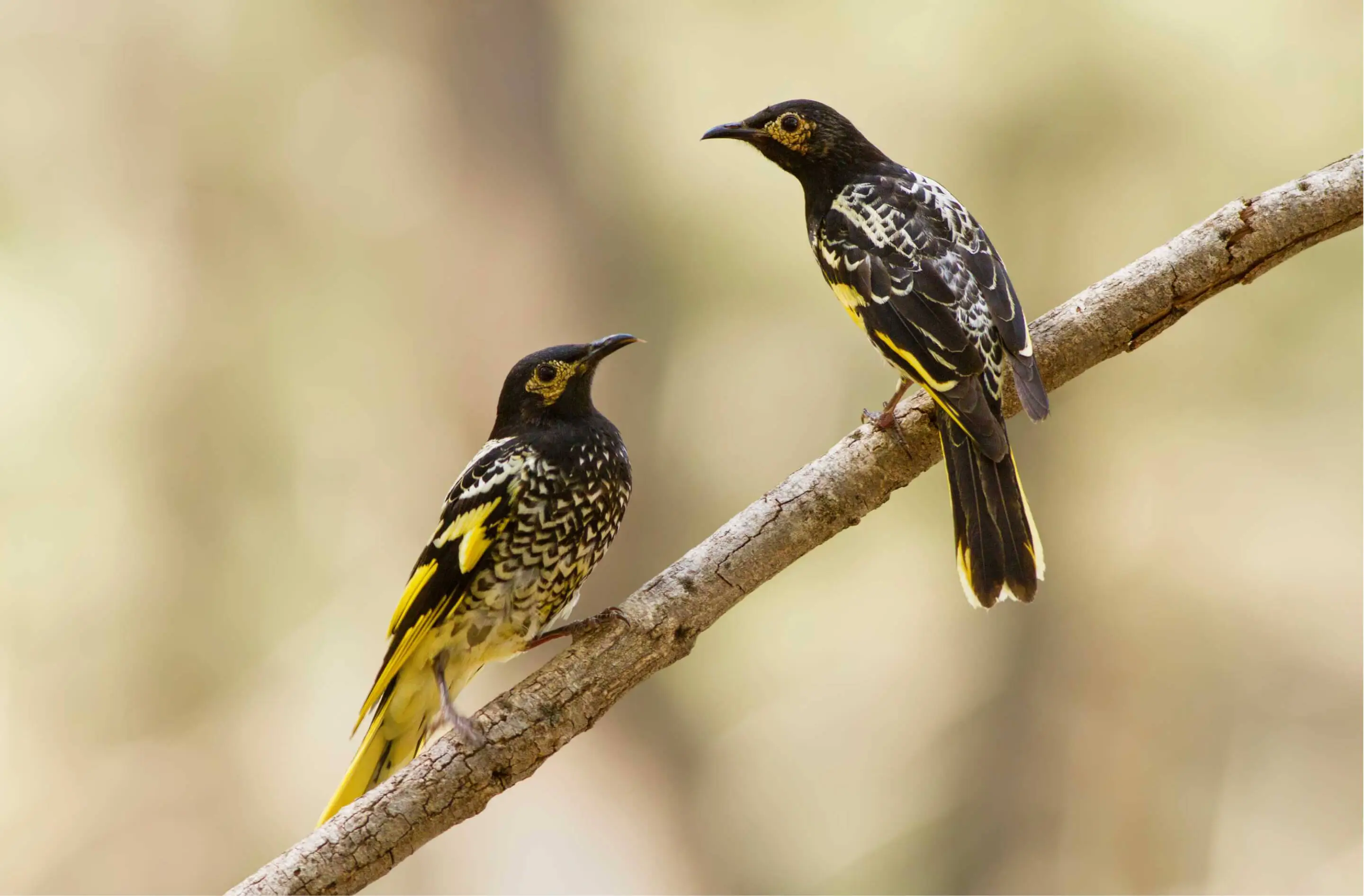
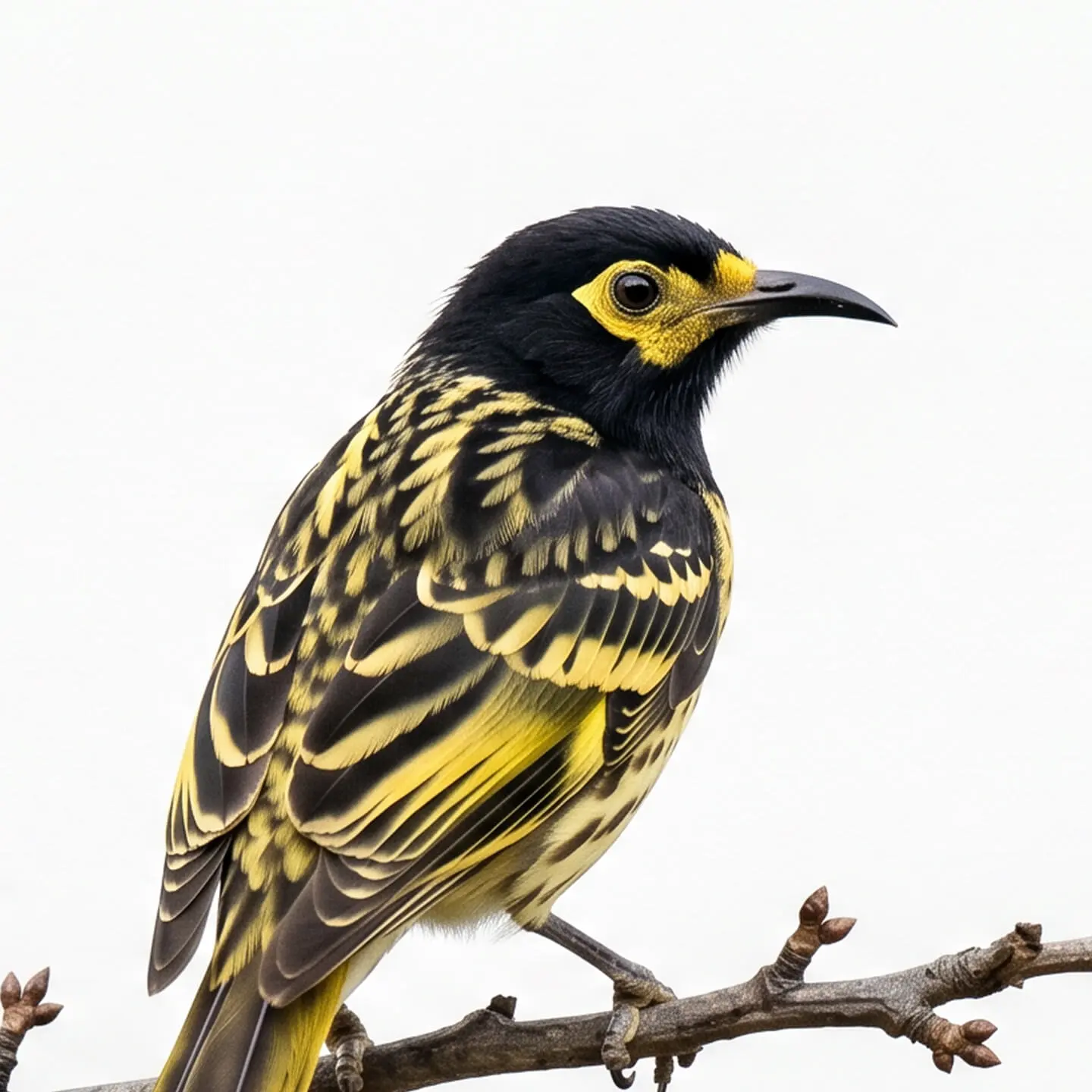
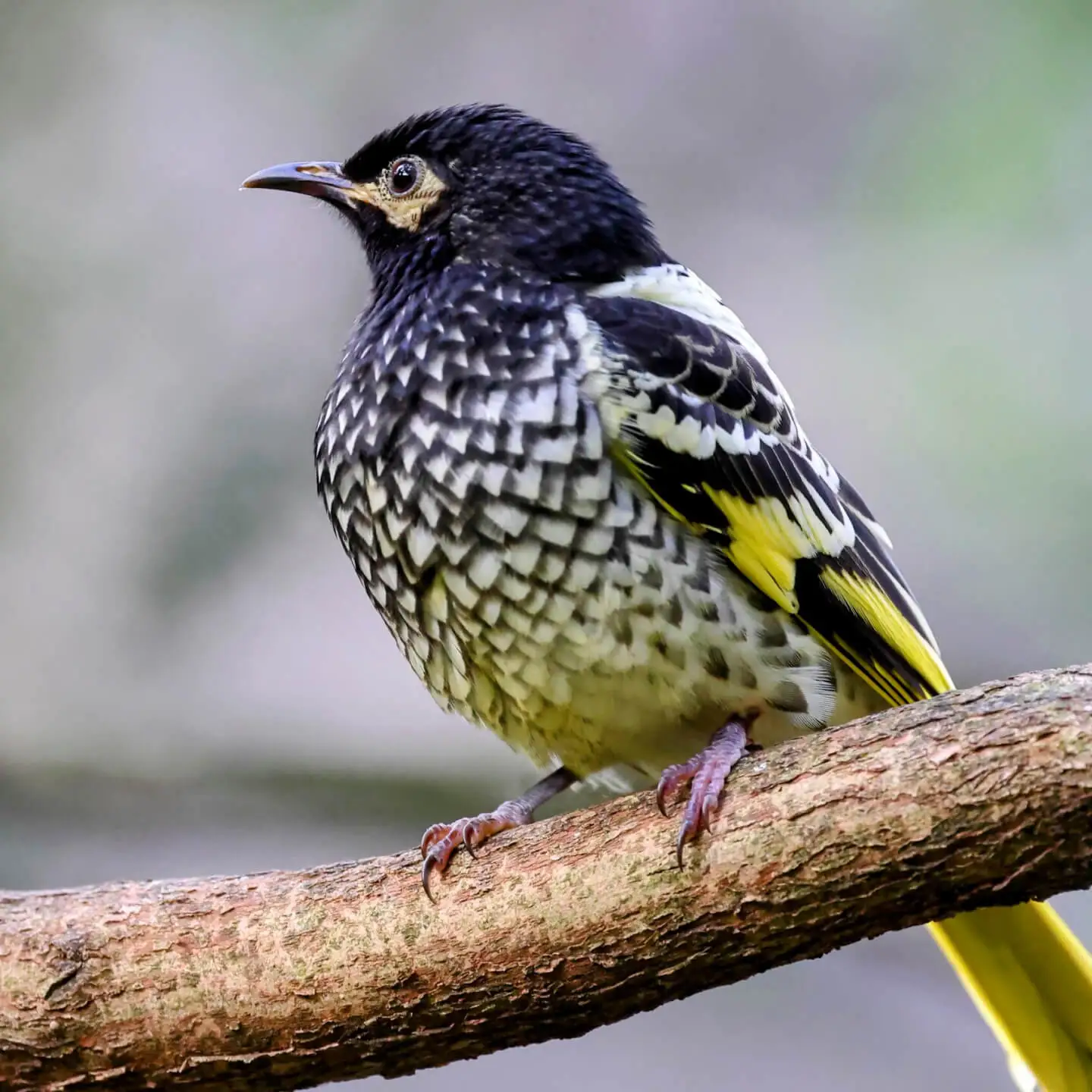
A gold-and-black songbird from south-east Australia — so few remain that its young can no longer learn their own song.
Not long ago, regent honeyeaters moved in huge flocks across eastern Australia, following the eucalyptus blossom from the inland slopes to the coast. As recently as the 1950s they were a common sight in the gardens of Melbourne and Sydney.
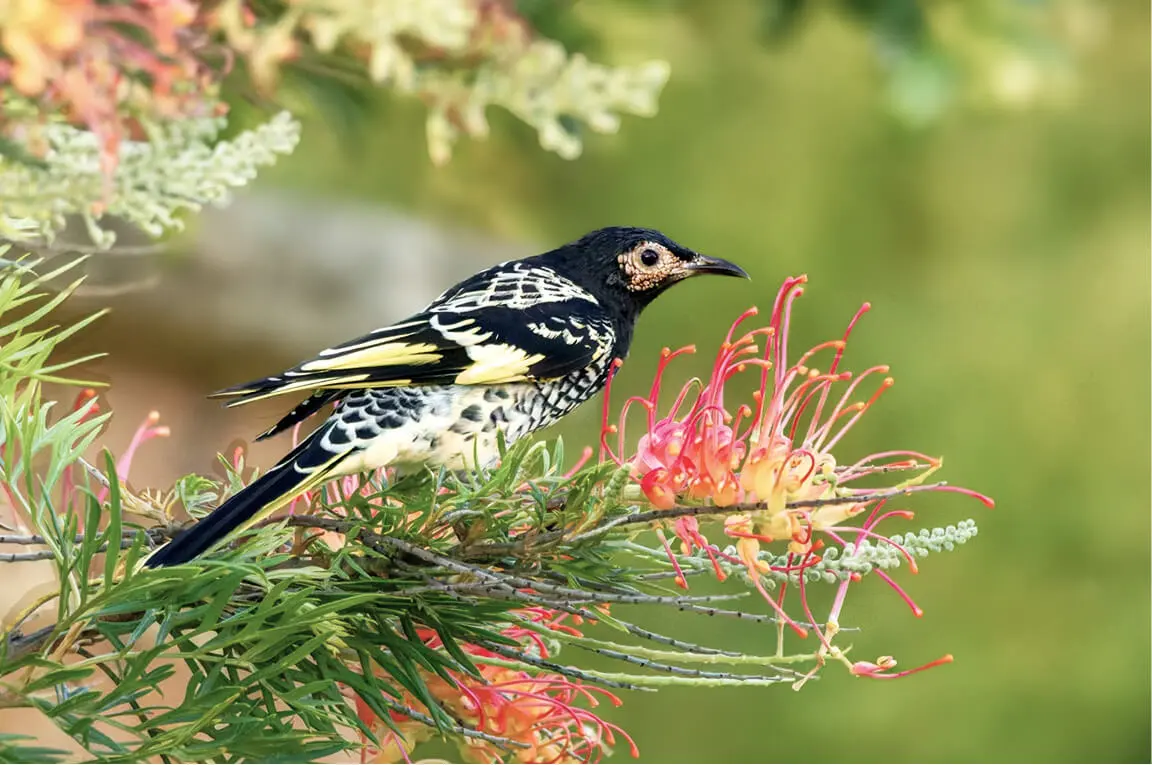
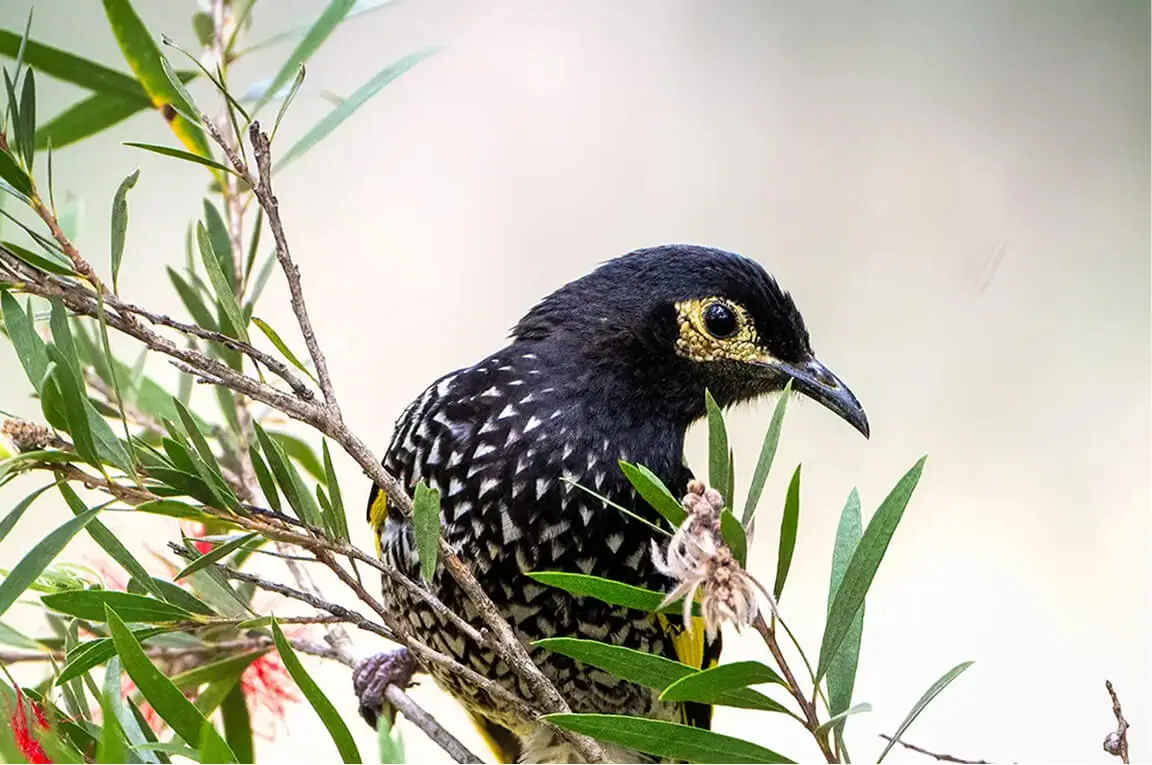
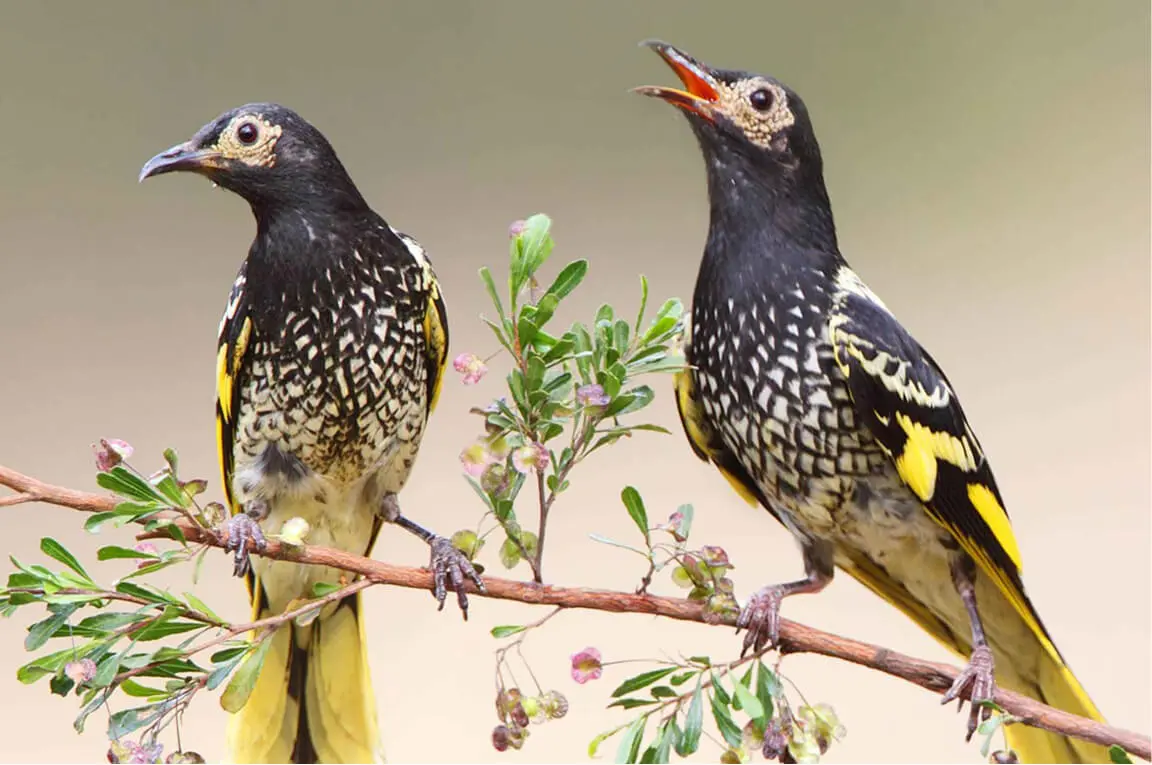
A regent honeyeater isn't born knowing its song. Like us, it learns — young males pick up the rich, complex dialect of their kind by listening to older males. Song is how they court, how they belong, how the species stays itself.
As the population collapsed, the birds scattered too thinly to teach one another. Young males now grow up without a single older male to learn from. Some sing broken, simplified songs. Others give up and mimic entirely different species — a bird that no longer sounds like itself.
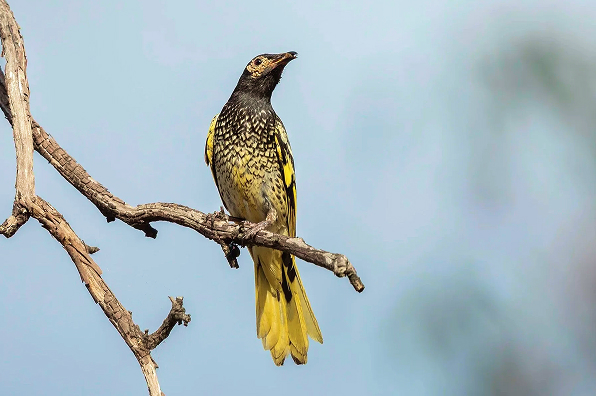
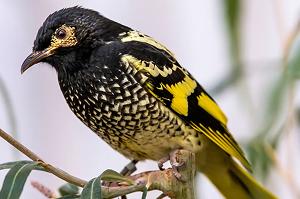
A century ago, hundreds of thousands. Today, fewer than three hundred remain in the wild — a 99% collapse. Experts give the species a real chance of vanishing from the wild within our lifetime.
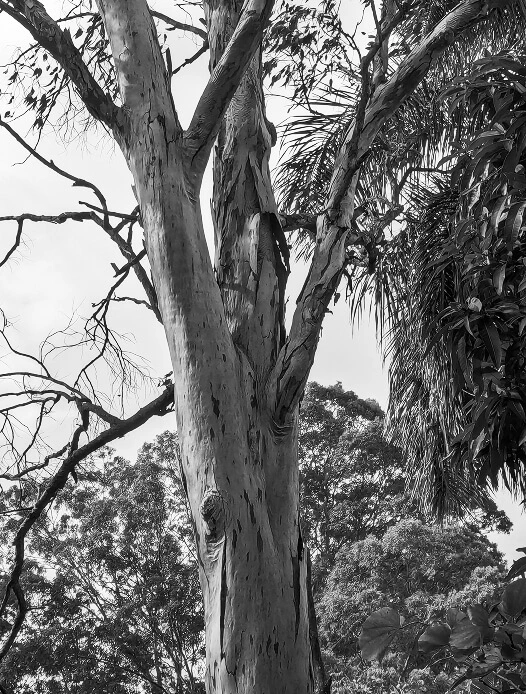
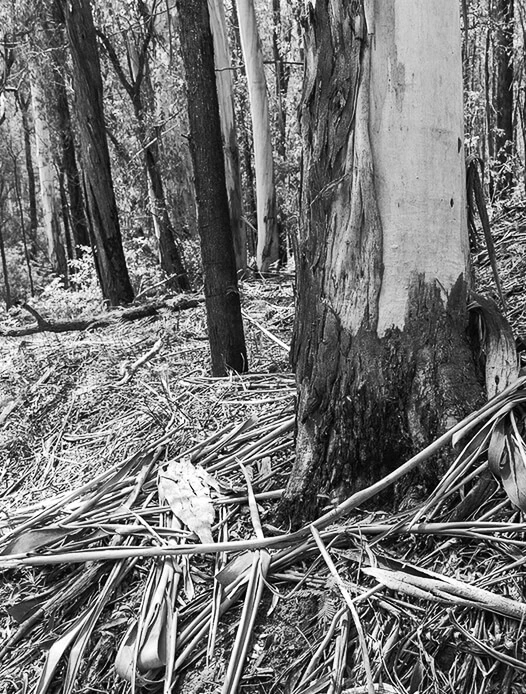
The story underneath the silence is habitat. Around 90% of the woodlands these birds depend on have been cleared for farming and roads. What's left is fragmented — too scattered for a flock to form, too sparse for a song to be passed on.
There is hope, and it's remarkable
In 2026, scientists at the Australian National University and Taronga Zoo brought in two wild-born males as living tutors — and taught captive-bred birds the lost traditional song. For the first time, a fading culture was handed back. Every bird released with the right song has a better chance of breeding, belonging, and surviving.
The regent honeyeater is still here. Protecting habitat, funding breeding-and-release, and spreading the story all tip the odds. You can help the song outlast the silence.